Kids’ Advent Calendar: How to Choose the Right One by Age
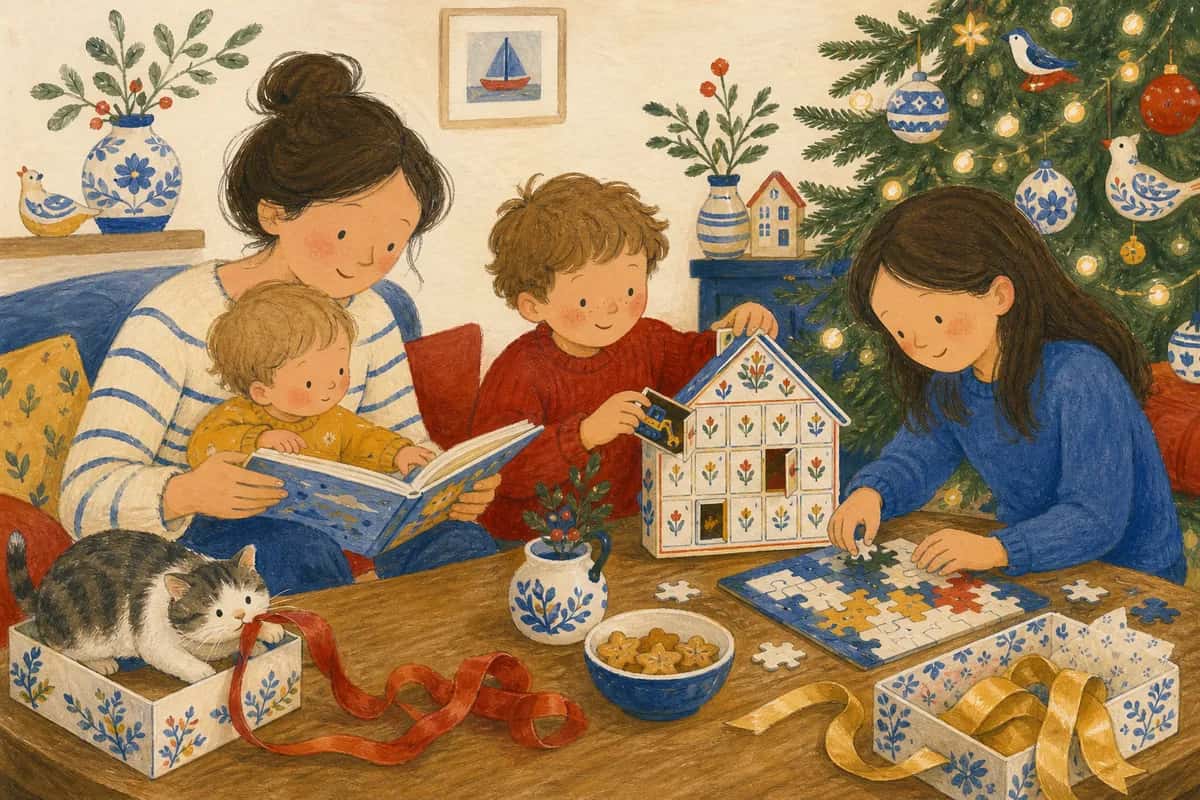
When choosing an Advent calendar for your child, start with their age, what they’re into right now, and how much time you can spend on the daily ritual. Then check what’s inside, the manufacturer’s age guidance, and your total budget. The best calendar isn’t necessarily the one with the most stuff—it’s the one your child will enjoy opening through December 24.
Which Advent calendar should you choose for your child’s age?
Choose a calendar with surprises your child can enjoy at their age, and always follow the manufacturer’s age guidance.
Under 3: Make it a shared ritual
A toddler doesn’t need 24 gifts. An illustrated calendar, a picture to discover together, or a daily story may be plenty. You can also use books you already own and let your child pick one to read together each night.
Don’t repurpose a calendar made for older kids. Small parts, packaging, and detachable pieces need extra attention. Read the instructions and manufacturer warnings. If you have questions about food, ask a healthcare professional.
Ages 3–5: Look for easy-to-enjoy surprises
Choose something your child can understand as soon as they open it: a short story, a picture to finish, or a simple activity to do with an adult. A kids’ book Advent calendar can be a good fit if the stories are short and the illustrations are age-appropriate.
Check the actual size of the books. Some are tiny or tell one story in episodes. If your child likes rereading books, a few full-size books spread throughout the month may be more appealing than 24 mini books.
Ages 6–8: Pick a theme they already love
Building, drawing, animals, or puzzles: choose a theme your child is already into. For a building toy Advent calendar, check whether they can play with each day’s surprise right away or need to collect pieces over several days.
Ages 9 and up: Ask what they’d enjoy
Older kids may prefer chocolate, creative challenges, or a puzzle they build over time. Before buying a puzzle Advent calendar for kids, check the difficulty, finished dimensions, and how much space they’ll need to keep the puzzle together.
Offer two or three options instead of an entire catalog: “Would you rather build something, read, or get a treat each day?”
Toys, books, chocolate, or activities: which format should you choose?
Go with the format your child will actually use, rather than the one with the box that looks like the best deal.
Here are some common price ranges to help you plan. Adjust them based on what’s included and where you shop. They don’t guarantee quality or that a calendar is right for your child’s age.
| Format | What to check before buying | Typical price range | Keep in mind |
|---|---|---|---|
| Toys | Age guidance, whether all pieces are included, compatibility with toys they already have | $20–$50 | Small parts and toys that may be quickly forgotten |
| Books | Reading level, length, book size | $15–$40 | Whether your child can read alone or needs help |
| Chocolate | Ingredients, allergens, amount, storage | $5–$25 | Whether it fits your child’s age and diet |
| Crafts | Included supplies, age guidance, activity length | $15–$35 | How much setup and help are needed |
| DIY calendar | Container, supplies, surprises you already have | $5–$30 | Time needed to prepare it |
For treats, check the exact ingredients in a chocolate Advent calendar. If your child has an allergy or you have any food-related concerns, don’t rely on the photo or product name. Check the label and ask a healthcare professional.
For a creative option, a sticker Advent calendar often takes less setup than a paint set. Still, check what supplies you’ll need. “Activity included” doesn’t always mean “all supplies included.”
Finally, look at the full contents. Nearly identical accessories or supplies you already own can make a calendar feel like poor value, even if it’s inexpensive.
How can you make a DIY Advent calendar without making December harder?
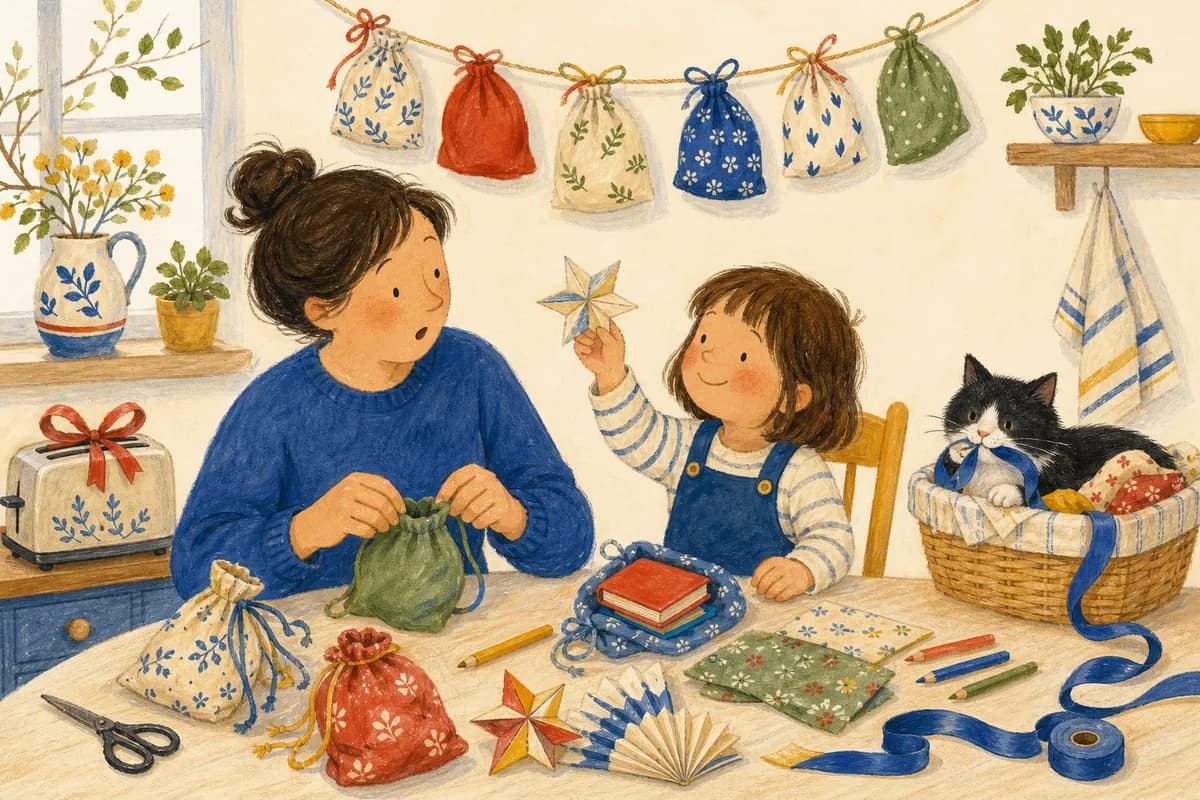
Put together a DIY calendar by mixing a few physical surprises with simple activities that already fit into your routine.
Write out all 24 ideas before buying anything. Schedule longer activities for weekends and quick surprises for school nights. Keep two or three ideas flexible for busy evenings.
You could include:
- A story picked from the books you already have at home;
- A coloring page and crayons you already own;
- A paper decoration to make together;
- Picking the music during dinner;
- A walk to look at holiday lights;
- A small surprise suited to your child’s age.
Reusable Advent calendar bags can be used for several years. Envelopes or pouches you already have at home work, too. Keep the calendar out of reach if your child needs you to be there for what’s inside.
Avoid promises that are hard to keep, like a big outing on a school night. Write down a specific idea instead:
Today, you get to choose the story we’ll read together after dinner.
Your calendar can be simple. You don’t have to turn every day into a tiny Christmas present.
When should you buy an Advent calendar?
Start comparing options in September or October, then aim to buy in October or early November if you want a specific calendar.
This shopping timeline is a helpful guide, not a guarantee that a calendar will be in stock. Some are available early; others show up later. Check directly with the store.
- September or October: Pick a format and set your maximum budget.
- October or early November: Compare what’s inside, shipping costs, and return policies.
- Around mid-November: Place your order if it needs to be shipped, keeping the stated delivery window in mind.
- Before December 1: Check your package or finish filling your DIY calendar bags.
Don’t count on a late price drop if you’re looking for a specific calendar. If you’re flexible, waiting may be an option, but keep a simple backup plan.
If you buy secondhand, check that the calendar is complete. For a refillable calendar, make sure the container is in good condition. For food, check that the packaging is intact, the expiration date, and storage instructions.
How can you avoid getting multiple Advent calendars from family and friends?
Let people know clearly that one calendar is enough, and share the format or specific calendar you’ve chosen before they start shopping.
You can send this message:
We’re planning on getting just one Advent calendar this year to avoid having too much stuff. If you’d like to give one, here’s the one they’d enjoy. Let me know before you buy it so we can coordinate.
Seizenn, a free gift-list service with no ads, can help you keep track of your choice. You can create a Christmas list, add an Advent calendar from any store by pasting its link, and note which one you picked. The name, price, and photos are filled in automatically when the store allows it; otherwise, you can add them yourself.
Then share one link. Family and friends can view the list and reserve the gift without an account to avoid duplicates. Note that reservations are hidden from the person who created the list, and purchases are made directly through the store.
You can also find calendars from independent makers, at local stores, or secondhand, then add them to your Seizenn list. An example Christmas list can help you show your choice and alternatives.
The bottom line
The best calendar suits your child’s age, is easy to use, and is bought early enough to arrive before December.
- Follow the manufacturer’s age guidance and warnings.
- Choose a theme your child enjoys now, not one you assume they’ll like.
- Check the full contents, ingredients, and supplies needed.
- Set your budget before comparing boxes.
- If you’re making your own, plan short activities for school nights.
- Start comparing in the fall and leave time for shipping.
- Coordinate with family and friends: one calendar may be plenty.
Some links in this guide are affiliate links: if you buy, Seizenn may earn a commission at no extra cost to you.
Frequently asked questions
At what age should a child start getting an Advent calendar?
There’s no set age when you have to start. For a toddler, a picture or a story you share may be enough, without adding small gifts. If you buy a calendar, follow the manufacturer’s age guidance and warnings.
Should you buy a different Advent calendar for each child?
Not necessarily—a story or activity calendar can be shared. Explain ahead of time how each child will take part, such as taking turns opening the doors. For calendars with physical surprises, check that the contents work for all the children who’ll use them.
Does a DIY Advent calendar cost less?
It can cost less if you use supplies you already have and include shared activities. But buying 24 small gifts and a new container can quickly cost more than a ready-made calendar. Make a complete list of what you’ll include before you start shopping.
What if the calendar arrives after December 1?
Start with a simple story or activity while you wait for it to arrive. Once it gets there, invite your child to open the first few doors together or start with the current day. There’s no need to buy extra gifts to make up for missed days.